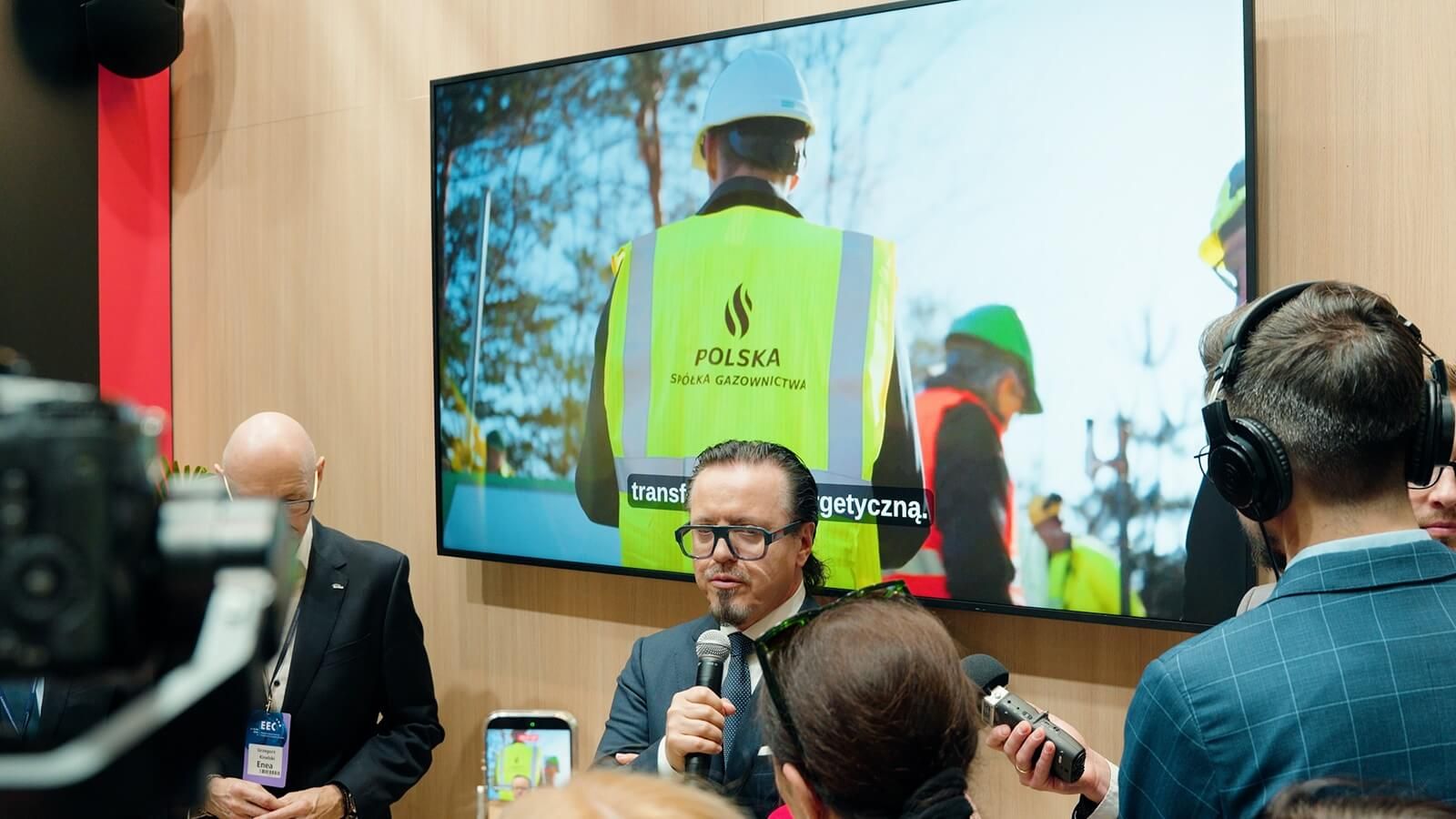
During the congress, a ceremonial opening was held for the Agency for Industrial Development S.A.’s stand, ‘Local Content. For the Benefit of Poland’, dedicated to systemic solutions supporting the participation of domestic enterprises in projects carried out by companies with State Treasury shareholdings. The opening ceremony was attended by Wojciech Balczun, Minister of State Assets.
Polska Spółka Gazownictwa was represented by Szymon Paweł Moś, Chairman of the Management Board of PSG, who emphasised the importance of transparent cooperation with contractors and measures to strengthen the stability and predictability of investment processes.
“We communicate openly, provide modern financial tools, train and engage in dialogue to build this ratio and make it even higher – all in the interests of stability, reliability and predictability in the implementation of our investment process,” he said.
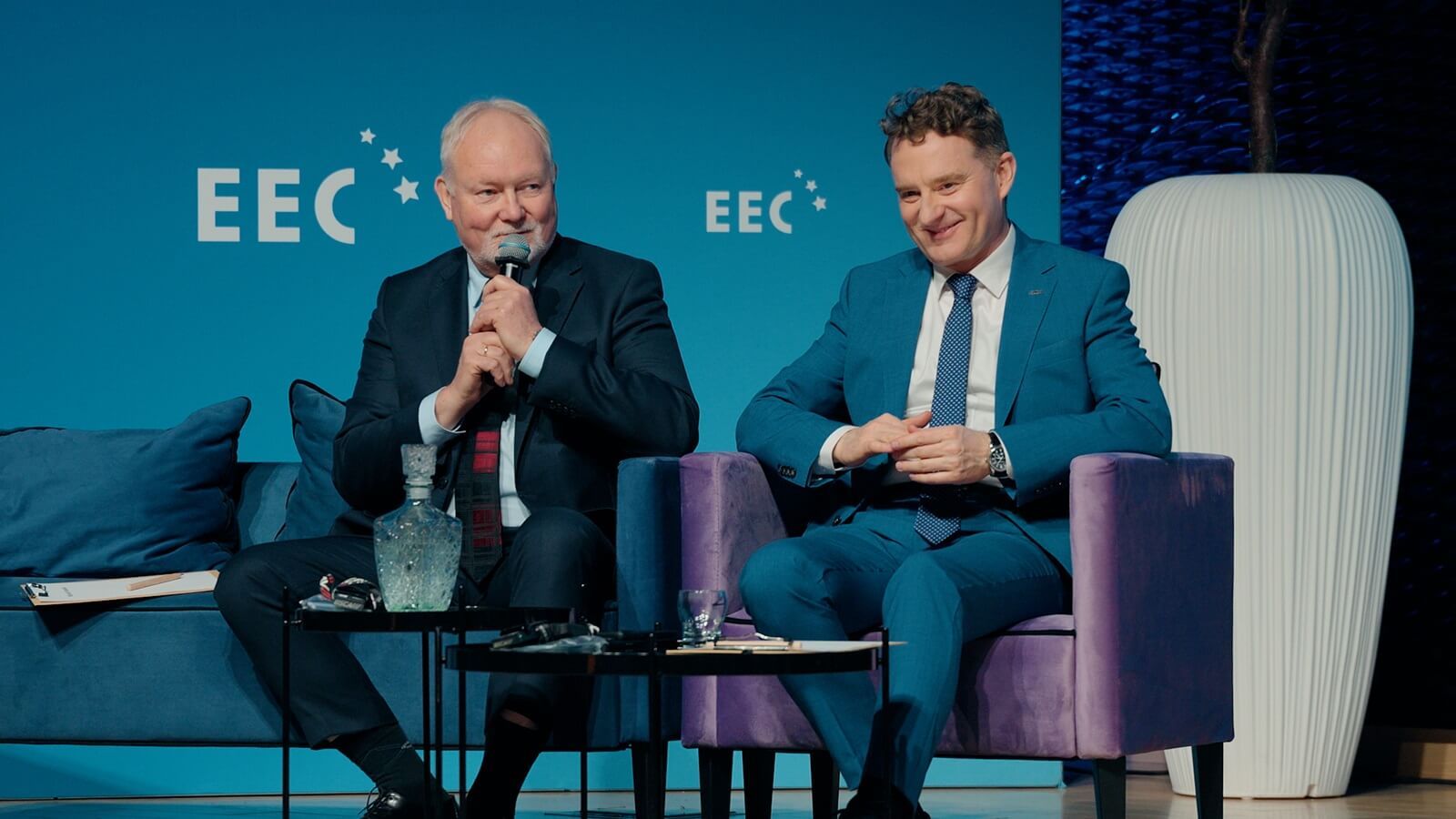
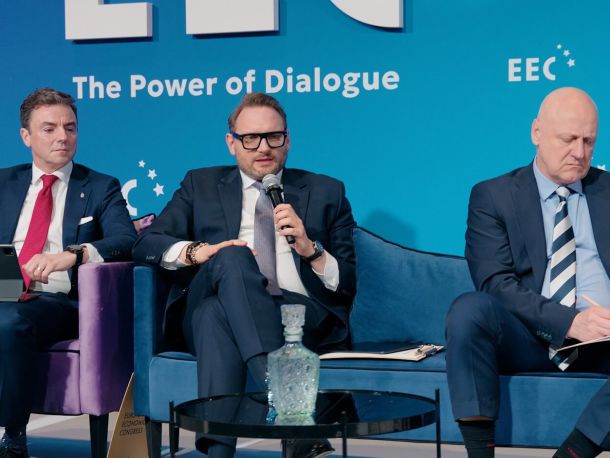
PSG representatives took part in two panel discussions, presenting the perspective of a gas infrastructure operator on key areas relating to the energy transition and system security.
Polska Spółka Gazownictwa was represented by Szymon Paweł Moś, Chairman of the Management Board of PSG, who emphasised the importance of transparent cooperation with contractors and measures to strengthen the stability and predictability of investment processes.
“We communicate openly, provide modern financial tools, train and engage in dialogue to build this ratio and make it even higher – all in the interests of stability, reliability and predictability in the implementation of our investment process,” he said.
PSG representatives took part in two panel discussions, presenting the perspective of a gas infrastructure operator on key areas relating to the energy transition and system security.